2026-10-22 ·
Local Planning and Building Control Notes for Spray Foam Removal in Somerset
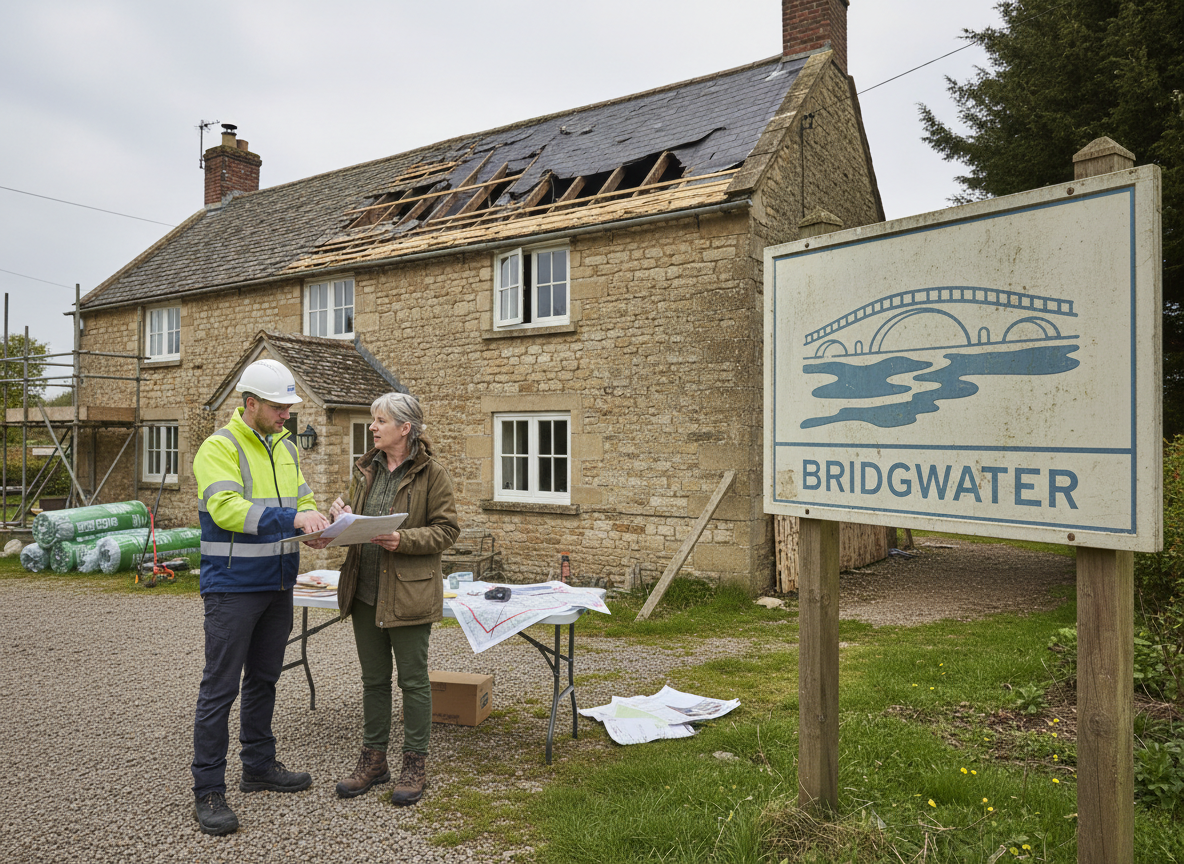
Homeowners in Bridgwater and surrounding Somerset areas typically do not require formal planning permission for spray foam removal unless the property is listed or in a conservation area. Building control approval is more commonly needed when the work affects structural elements, ventilation paths, or moisture barriers in older housing stock such as Victorian terraces along the River Parrett or 1930s semis in North Petherton.
Building Regulations Relevant to Spray Foam Removal
Somerset Council applies Part C and Part L of the building regulations to spray foam removal projects because these works directly influence moisture control and thermal performance. In Bridgwater's older terraced homes, closed-cell foam often traps damp against stone or brick walls that predate modern damp-proof courses, so removal must restore adequate ventilation to prevent rot in timber joists. Crews must document existing insulation thickness, substrate condition, and proposed replacement materials before starting work. Properties near the Levels face higher groundwater levels, making it essential to confirm that new insulation maintains the original vapour permeability. Failure to notify building control can delay mortgage valuations or future sales, particularly when lenders require proof that the loft or cavity meets current standards after the foam is gone.
When Building Control Approval Applies in Bridgwater
Building control notification is required in Bridgwater whenever removal exceeds 50 percent of the insulated area or involves cutting into load-bearing elements such as rafters in pre-war lofts. Homeowners on streets like Bristol Road or in the Sydenham district should submit a building notice at least two days before work begins. The council inspects for correct disposal of foam waste and verification that any new insulation restores the required U-value. In flood-prone zones near the River Parrett, additional checks confirm that removal does not create new water ingress paths. Properties converted from agricultural use in the wider Bridgwater area often carry extra scrutiny because original roof structures may lack modern fixings. Early consultation avoids stop-work notices that can add days to a project timeline.
Somerset Council Process and Documentation
Residents contact Somerset Council's building control team through the online portal or at the Bridgwater office to register the intended removal. Required documents include photographs of the existing foam, a method statement detailing access and dust control, and a waste transfer note confirming licensed disposal. For homes in nearby Highbridge or Burnham-on-Sea, the same process applies but may include additional checks for coastal salt exposure that accelerates corrosion on metal fixings once foam is stripped. Inspectors typically visit once during removal and again after the space is cleared to verify ventilation openings meet current standards. Keeping records of these visits protects owners when properties change hands, especially on streets where lenders routinely request insulation assessments.
Mortgage and Valuation Implications
Lenders frequently flag spray foam in Bridgwater properties because it can mask underlying damp or reduce roof ventilation. Removal followed by proper documentation often resolves these concerns and restores lending eligibility. Homeowners should request a written confirmation from building control that the work complies with regulations before the property is revalued. This step is particularly relevant for terraces near the town centre where many mortgages are secured against older stock. Linking removal work to a full insulation assessment helps demonstrate that the loft now meets breathability requirements without introducing new thermal bridges.
Practical Steps for Compliance in the Bridgwater Area
Begin by photographing the current installation and noting any signs of moisture staining on rafters. Submit a building notice to Somerset Council and confirm the property's listing status through the local planning map. Schedule removal during drier months when external temperatures stay above 5 degrees Celsius to allow proper drying of exposed timbers before new insulation is fitted. Retain all waste transfer notes and inspection certificates for at least six years. Residents in North Petherton or Street can follow the same sequence while accounting for slightly higher rainfall that extends drying times after foam extraction. This measured approach keeps projects on schedule and avoids future compliance issues when selling or remortgaging.